How site preparation helps keep civil construction projects moving
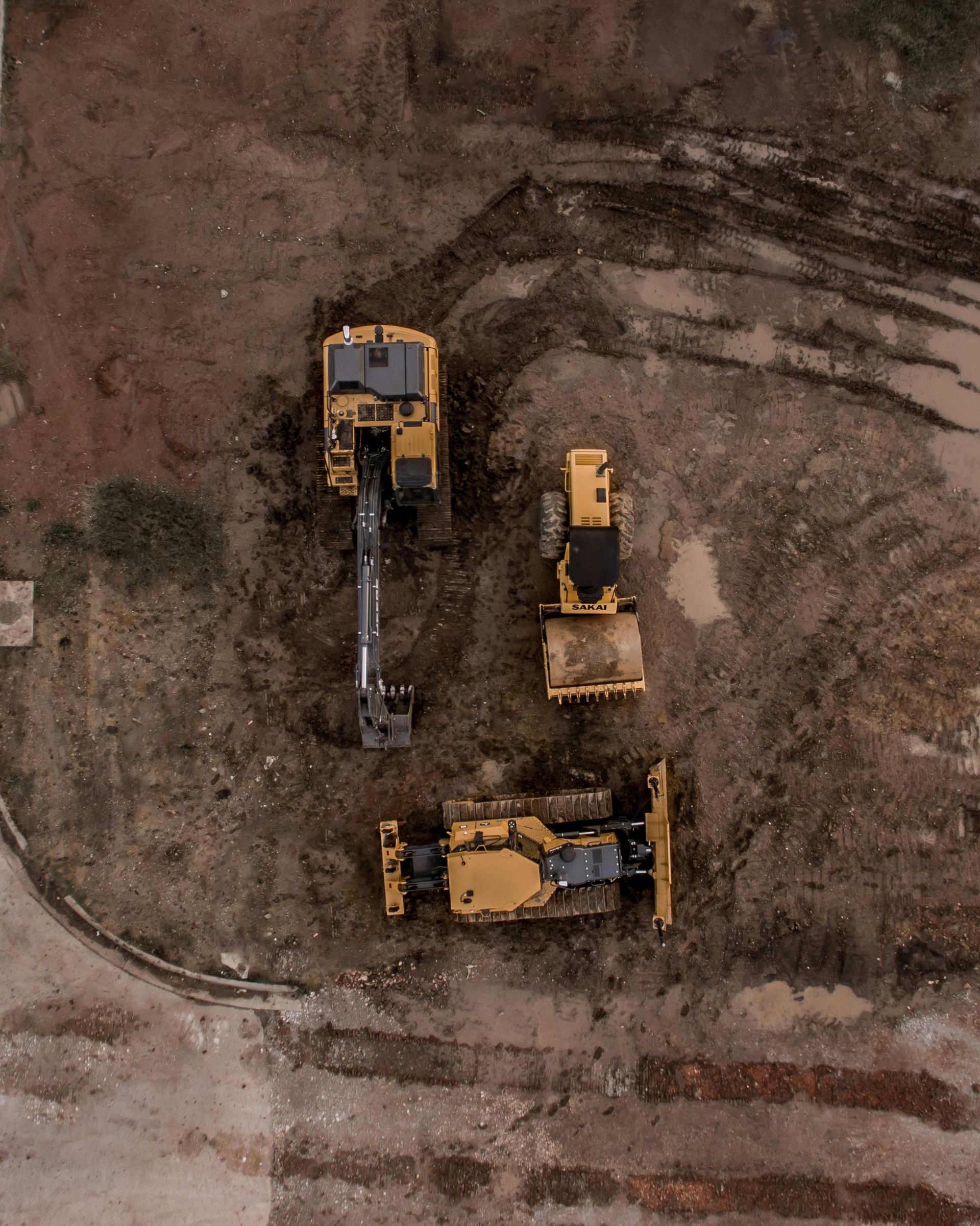
Site preparation is one of the earliest and most important stages of a civil construction project. When it is planned and delivered properly, it helps create the conditions needed for the rest of the works to progress more smoothly. When it is rushed or treated as a minor step, it can create delays that affect multiple trades and stages across the project.
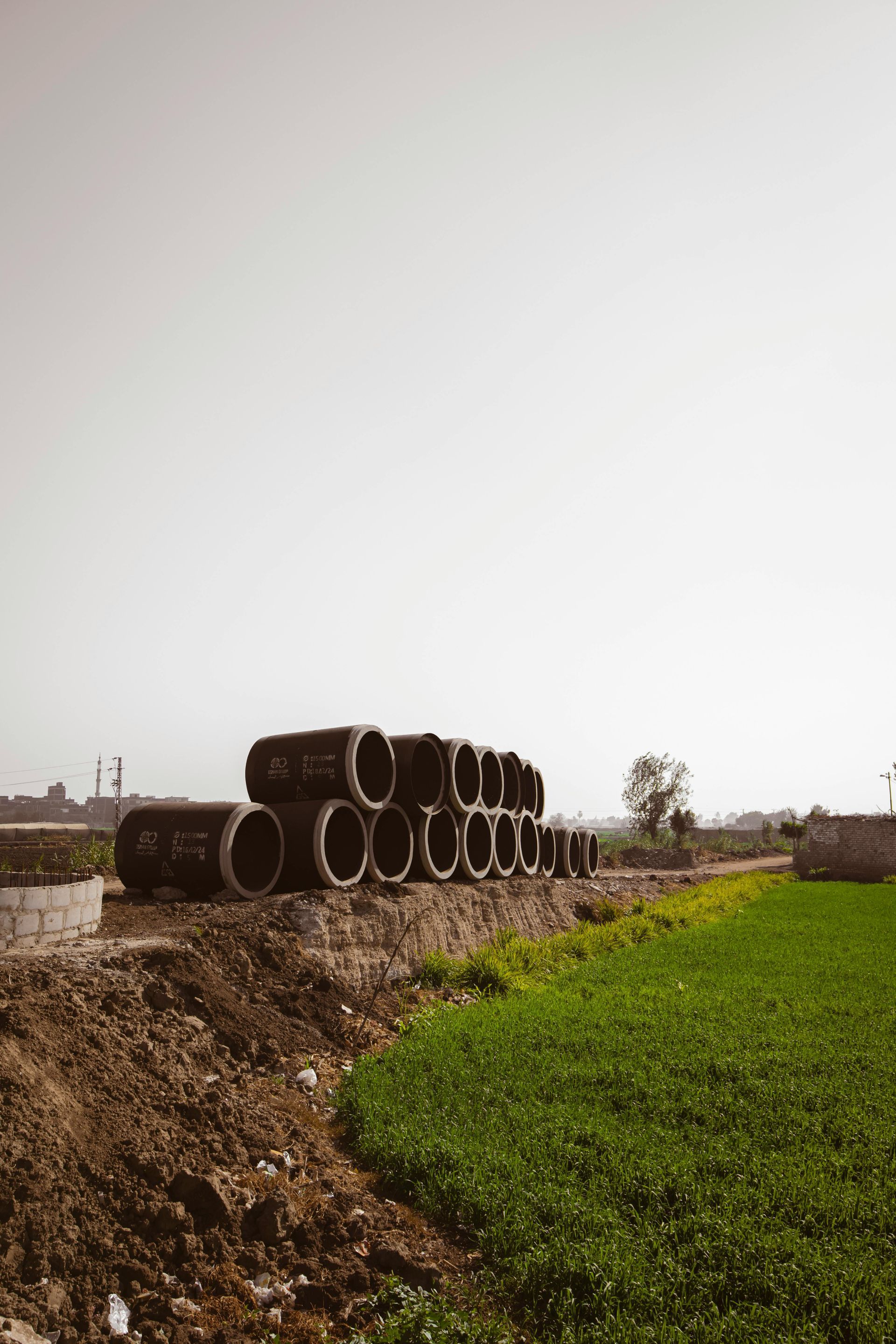
Good site preparation is not just about moving material around. It involves understanding the site, planning the sequence of works, managing access, and making sure the ground is ready for what comes next. That may include excavation, drainage installation, trenching, compaction, demolition, or other civil construction activities.
In this article, we look at how site preparation supports better project flow and why practical planning at the start can make a real difference to delivery on site.
1. Site preparation creates workable conditions from the start
Before many civil works can begin, the site needs to be ready. That can mean clearing areas for access, shaping the ground, preparing working zones, and making sure equipment can move safely and efficiently. These early tasks set the tone for the rest of the project.
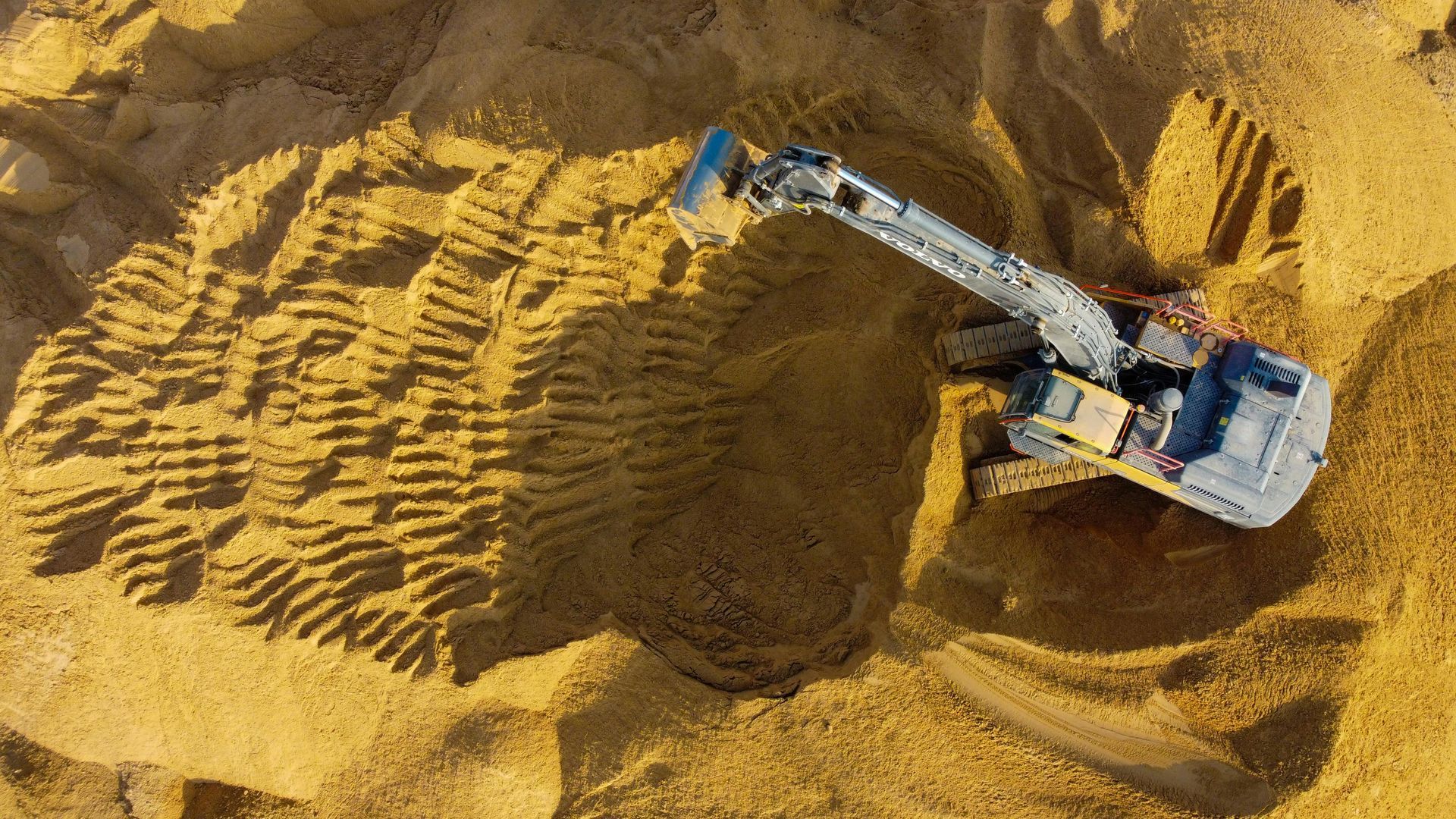
When site preparation is handled well, it becomes easier to coordinate later activities such as bulk and detailed excavation , drainage works, or utility trenching. The project team can work from a site that is better organised and more practical to operate in, which helps reduce time lost to avoidable site issues.
This stage is also a good time to review the location of underground assets before any major ground disturbance begins. Services such as Before You Dig Australia can help identify existing utility information that may affect site planning and excavation.
2. It helps improve sequencing across multiple trades
Civil construction projects often involve different types of work happening in close succession. If the site is not prepared in a way that supports the required sequence, the project can become harder to manage once machinery, labour, and materials are all in play.
Proper preparation helps align the early earthworks with the services that follow. For example, a site may need to be shaped or cleared before site preparation and earthmoving transitions into trenching, drainage installation, or compaction. Thinking ahead about these handovers makes it easier to keep the project moving from one stage to the next.
It also helps reduce unnecessary rework. Where the ground is prepared with the broader project in mind, crews are less likely to revisit the same area multiple times to solve issues that could have been addressed earlier.
3. Better preparation supports safer and more efficient access
Access is a practical issue that affects almost every stage of civil construction. Machinery movement, material delivery, spoil removal, and safe pedestrian or vehicle routes all depend on how well the site has been set up from the beginning.
Early preparation can help define work zones, staging areas, and travel paths so the site functions more efficiently once the main works begin. This matters on projects where multiple activities may overlap or where the available working space is limited.
For broader safety guidance during planning and delivery, the construction resources published by Safe Work Australia can be useful when reviewing site risks and work practices before construction begins.
4. It helps keep follow-on civil works coordinated
Site preparation is most effective when it is considered as part of the wider civil construction workflow rather than as a separate task. Ground preparation often links directly to excavation, utility trenching, drainage installation, backfilling, and compaction. If these steps are planned together, the job is usually easier to deliver.
This is one reason many clients prefer working with contractors who can support more than one stage of the process. A team that understands both early preparation and the civil works that follow can often deliver a more practical sequence on site. That can include linking site preparation with services such as stormwater and sewer drainage installation or other related earthworks.
If you are planning a project and want to discuss what needs to happen before construction begins, it can help to contact our team early and talk through the site conditions, scope, and service requirements in practical terms.
5. The value of planning beyond the first machine on site
One of the biggest benefits of good site preparation is that it supports the whole project, not just the first day of works. It helps shape the ground, organise access, and make the site more workable for the activities that follow. That can improve coordination, reduce disruption, and support steadier progress throughout delivery.
It also gives project teams a better opportunity to identify constraints early. Issues related to access, staging, service conflicts, or sequence are often easier to manage before the work begins than once machinery is already operating on site.
For clients, that means site preparation is not just an early cost item. It is a practical investment in smoother delivery across the broader civil construction program.
Discuss your site preparation needs with our team today
Site preparation helps keep civil construction projects moving by creating practical working conditions, improving access, supporting safe delivery, and keeping the sequence of works aligned from the beginning. It is one of the clearest ways to reduce avoidable delays and make the site more workable for the stages that follow.
If your project needs early earthmoving, ground preparation, or related civil works, learn more about our site preparation and earthmoving services or get in touch with our team to discuss the scope, site conditions, and next steps before work starts.