When do you need bulk excavation vs detailed excavation?
Excavation is a core part of many civil construction projects, but not every job calls for the same type of excavation. Some projects need large volumes of material moved efficiently to shape the site and prepare it for construction. Others need more precise work around services, structures, levels, or specific installation requirements. That is where the distinction between bulk excavation and detailed excavation becomes important.
Understanding the difference can help clients, builders, and project teams plan the right approach before work begins. It also makes it easier to coordinate excavation with the civil works that follow, such as drainage installation, trenching, compaction, and site preparation.
In this article, we break down what bulk excavation and detailed excavation involve, when each one is typically needed, and why getting the scope right early helps keep a project moving.
1. What is bulk excavation?
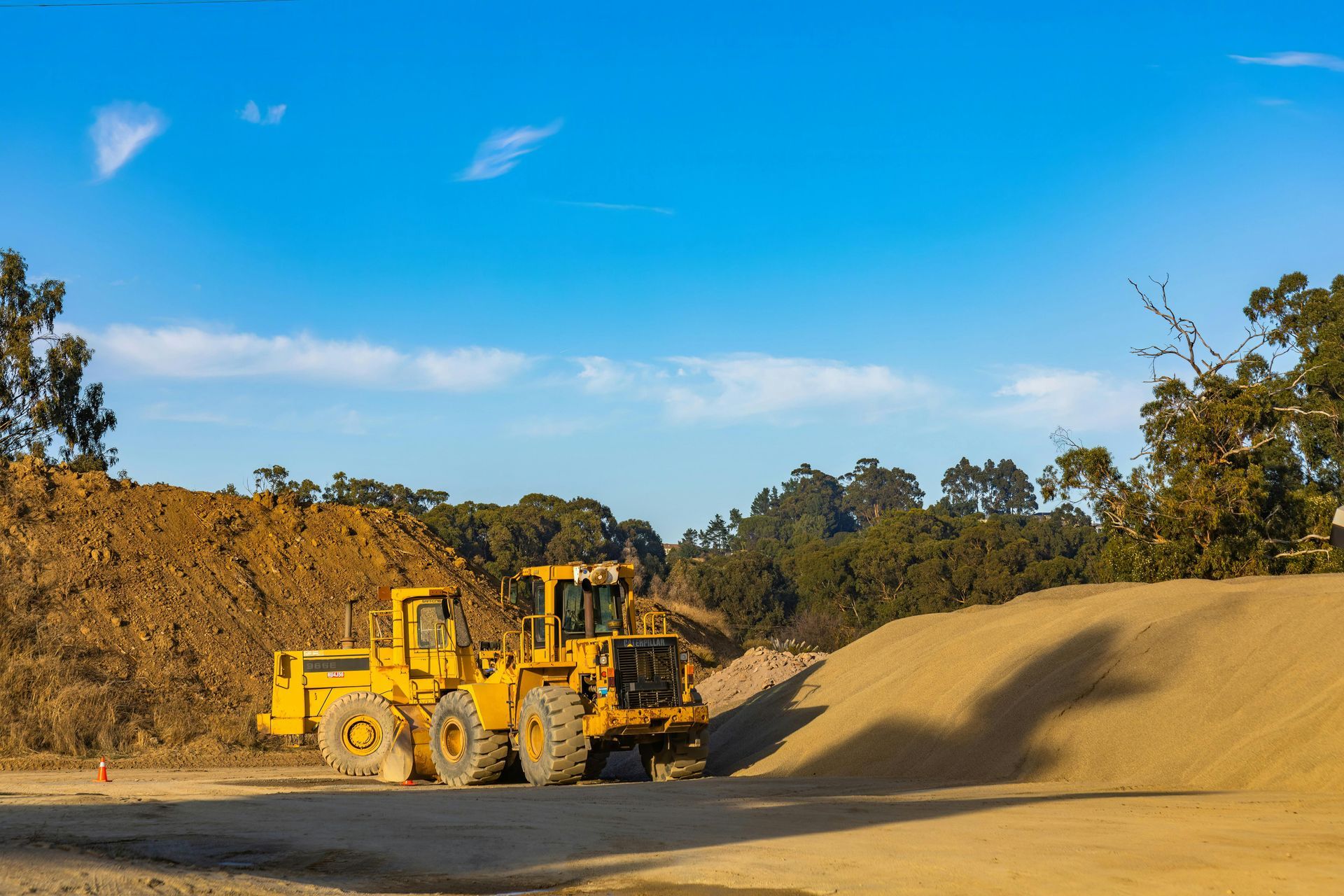
Bulk excavation is generally used where larger volumes of soil, rock, or other material need to be moved to create the basic shape and levels required for a project. It often forms part of the early-stage earthworks on residential developments, commercial sites, and infrastructure projects.
This kind of work is usually focused on establishing broad site conditions rather than fine tolerances. It can involve cutting, filling, clearing large sections of ground, and preparing the site for the next stage of works. Because of that, bulk excavation often works closely alongside site preparation and earthmoving and other early civil construction activities.
Bulk excavation is especially useful when the site needs to be reshaped before drainage, trenching, or construction can begin. It creates the base conditions needed for the more detailed work that follows.
2. What is detailed excavation?
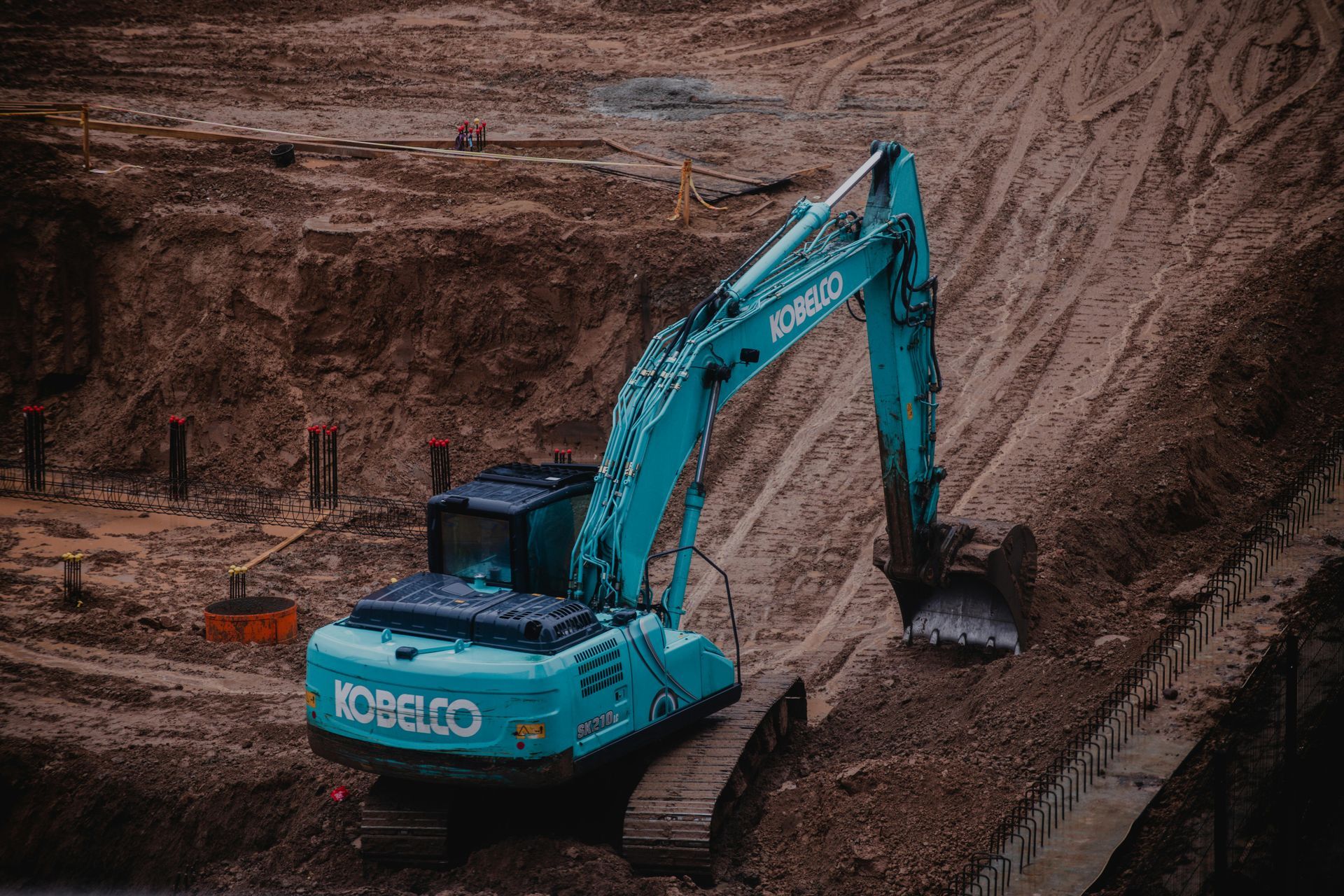
Detailed excavation is more precise and is usually carried out where the work needs to align with specific levels, dimensions, service layouts, or construction requirements. This type of excavation often happens later in the sequence, once the broader earthworks have already been completed.
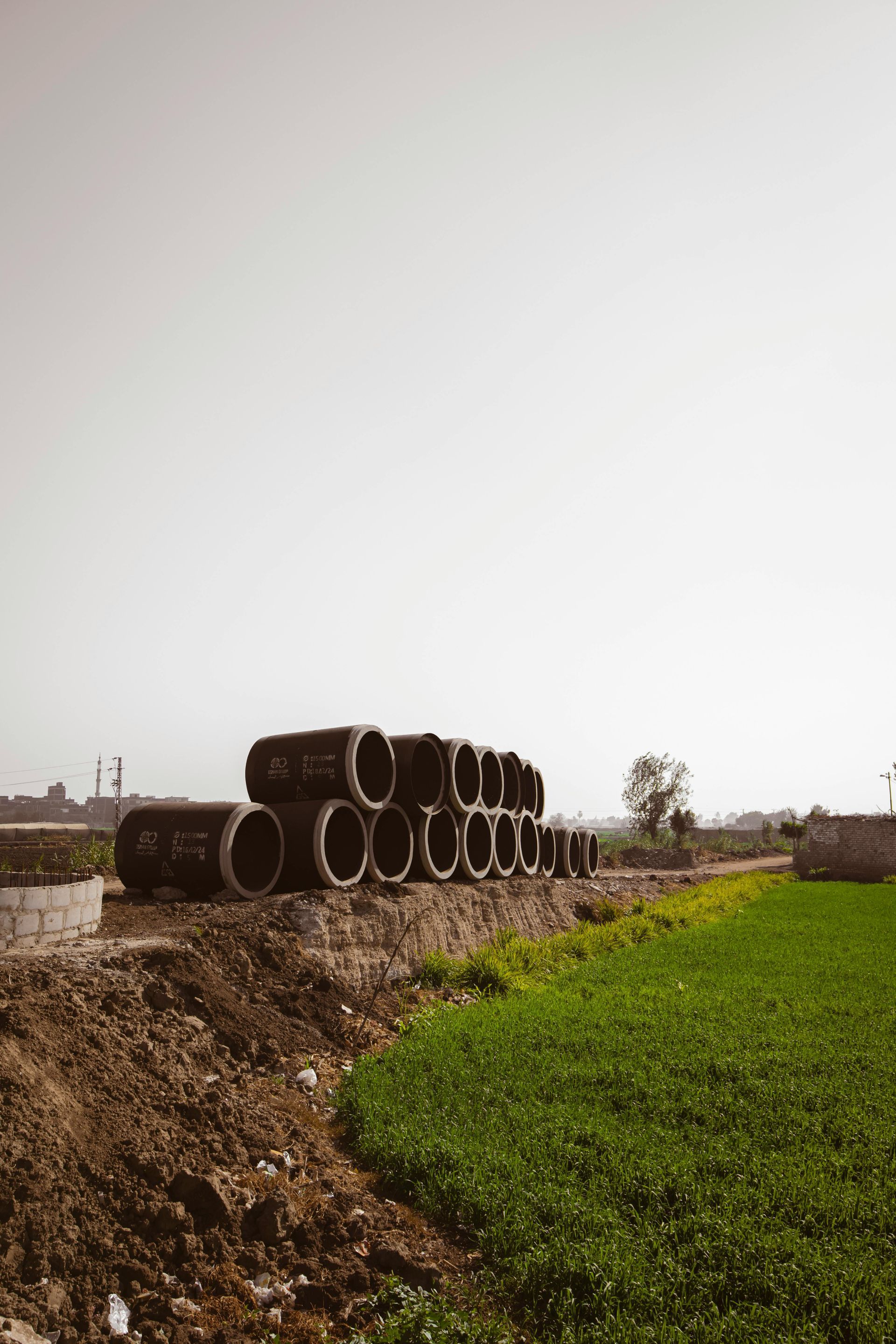
It may involve preparing areas for footings, service corridors, drainage runs, trenches, or structures where accuracy matters more than volume. Because it is more exact, detailed excavation often links closely with services such as stormwater and sewer drainage installation or utility trenching where the position and depth of the excavation needs to match the design requirements.
Projects can need both types of excavation at different stages. A site may begin with bulk excavation to establish general levels, then move into more detailed excavation once the project is ready for drainage, trenching, or construction-specific tasks.
3. When bulk excavation is usually the better fit
Bulk excavation is often the right choice when the priority is moving material efficiently and reshaping the site at a broader level. That can apply to projects where large areas need to be cut or filled, where the site needs to be prepared for access, or where early-stage earthworks need to happen before more precise work can start.
It is particularly relevant where there is a need to establish workable site conditions quickly so the rest of the construction program can continue. In these situations, the excavation needs to support the wider project rather than just one isolated task.
For broader guidance on planning construction work and reducing early site risks, Safe Work Australia provides useful construction information that can help project teams think through delivery requirements before work begins.
4. When detailed excavation is usually the better fit
Detailed excavation is generally more appropriate where the scope calls for tighter control and a closer match to the design or service layout. It is commonly used where the excavation needs to support drainage systems, service trenches, foundations, or other site-specific elements that rely on accuracy.
Because of this, detailed excavation often works best when it is coordinated with the connected services around it. That may include trench preparation, drainage installation, backfilling, and compaction. When these stages are planned together, it is easier to avoid rework and keep the project moving efficiently.
It is also worth reviewing underground asset information before excavation begins, especially where service works are involved. In Australia, Before You Dig Australia can help project teams identify available underground asset information before ground disturbance starts.
5. Why getting the excavation scope right matters
Choosing between bulk excavation and detailed excavation is not only about the type of machine on site or the volume of material being moved. It is also about the role the excavation plays in the wider construction program. If the scope is not defined clearly, projects can end up with avoidable delays, repeated work, or poor coordination between stages.
That is why excavation planning works best when it is tied to the broader civil package. If the work will feed directly into drainage, trenching, compaction, or site preparation, those connections should be considered before excavation begins. A contractor who can support multiple connected stages of the project can often help make that planning more practical.
If you are unsure which type of excavation your project needs, it can help to contact our team early and talk through the site conditions, project goals, and the works that need to follow. That early discussion can make the scope clearer and reduce friction later in the job.
Speak to the excavation experts at Coreline Civil
Bulk excavation is usually the right fit when a project needs larger-scale earthworks to shape and prepare the site. Detailed excavation is generally better where the work needs to follow tighter levels, layouts, or service requirements. Many civil construction projects require both, but at different stages and for different purposes.
The key is understanding how the excavation supports the rest of the works on site. To learn more about our bulk and detailed excavation services or to discuss the right approach for your project, get in touch with our team and we can help you plan the next steps.