Stormwater and sewer drainage installation: What needs to be planned before work starts
Stormwater and sewer drainage installation can have a major impact on how well a project performs once construction is complete. Good planning at the start helps reduce delays on site, supports smoother coordination between trades, and makes it easier to complete the work in line with the needs of the broader project.
Whether the job involves residential development, commercial construction, or infrastructure works, drainage installation needs to be approached with a clear understanding of the site, the required service layout, and the sequence of the works around it. Before excavation starts, it helps to know what needs to be considered so the installation can progress efficiently.
In this article, we look at the key areas that should be planned before stormwater or sewer drainage works begin, and why practical civil construction input early in the process can make a real difference.
1. Understanding the site conditions
Every drainage project starts with the conditions on site. Access, ground conditions, surrounding structures, working space, and how the site is expected to function during construction all affect how drainage works should be approached. Planning without considering these factors can create avoidable complications once excavation begins.
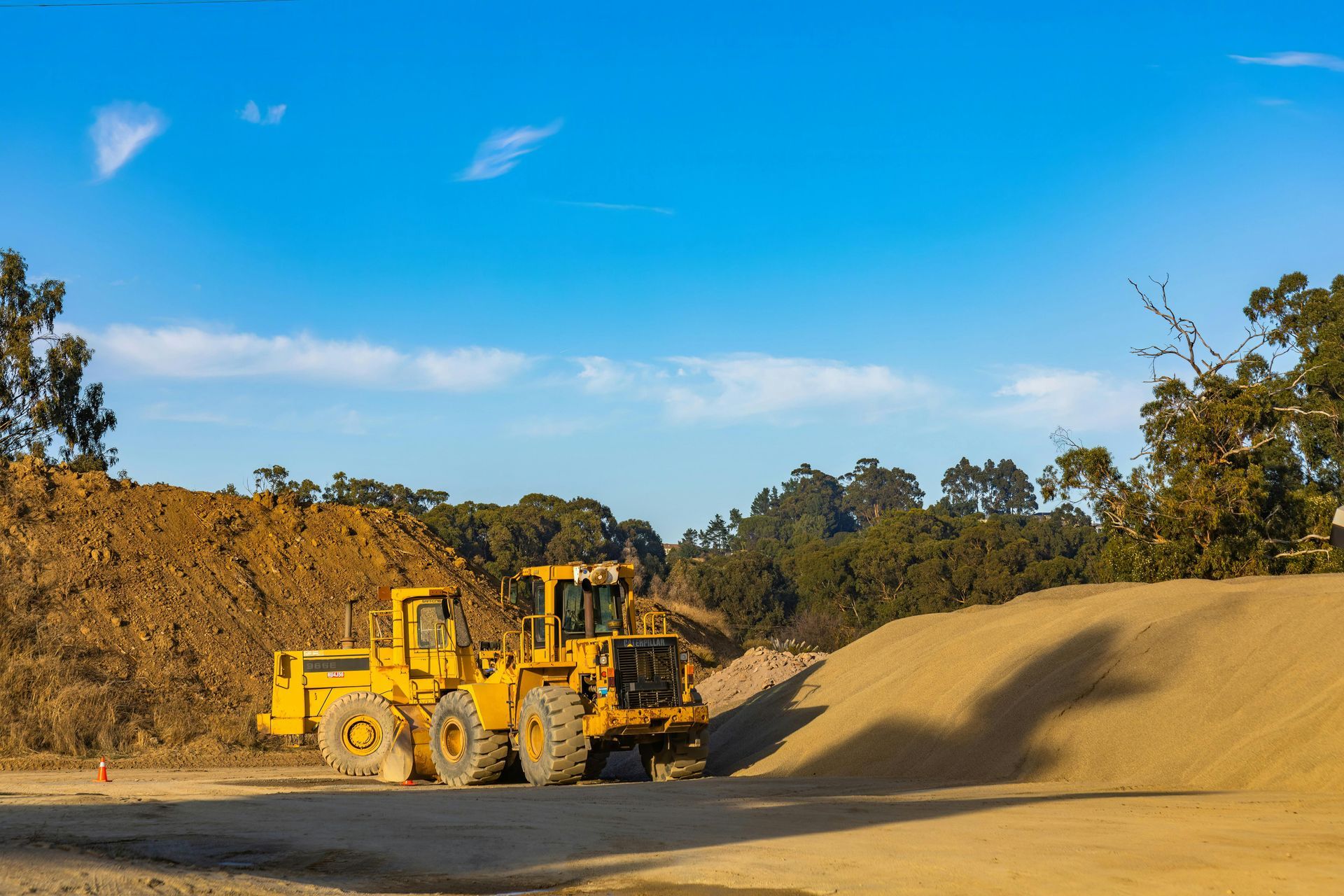
Practical site knowledge is especially important where drainage installation sits alongside other civil works such as excavation, trenching, and compaction. The work needs to be sequenced properly so one stage does not create problems for the next. This is one reason many clients look for contractors who can support both stormwater and sewer drainage installation and the related earthworks needed around it.
For projects involving excavation around existing infrastructure or utility corridors, it is also worth checking the location of underground assets before work begins. In Queensland, referral services such as Before You Dig Australia can help project teams gather important information before any ground is broken.
2. Confirming the scope of works
Drainage works can vary significantly from one project to another. Some jobs focus on new installation as part of a broader development, while others may involve replacement, extension, or coordination with other service works. Confirming the exact scope early helps avoid confusion once machinery and labour are on site.
This includes understanding what type of drainage system is required, where it needs to be installed, how it ties into surrounding infrastructure, and what excavation or reinstatement works are part of the job. It also helps to identify whether supporting services such as pipeline installation and utility trenching or follow-on backfilling and compaction are needed as part of the same package.
Clear scope definition supports better communication between site teams, subcontractors, and clients. It also makes it easier to plan equipment, labour, and material handling in a way that suits the construction program.
3. Planning excavation, trenching, and access
Drainage installation does not happen in isolation. Excavation depth, trench width, spoil handling, site access, and the movement of machinery all need to be considered before work starts. If these practical issues are not planned well, the project can lose time very quickly.
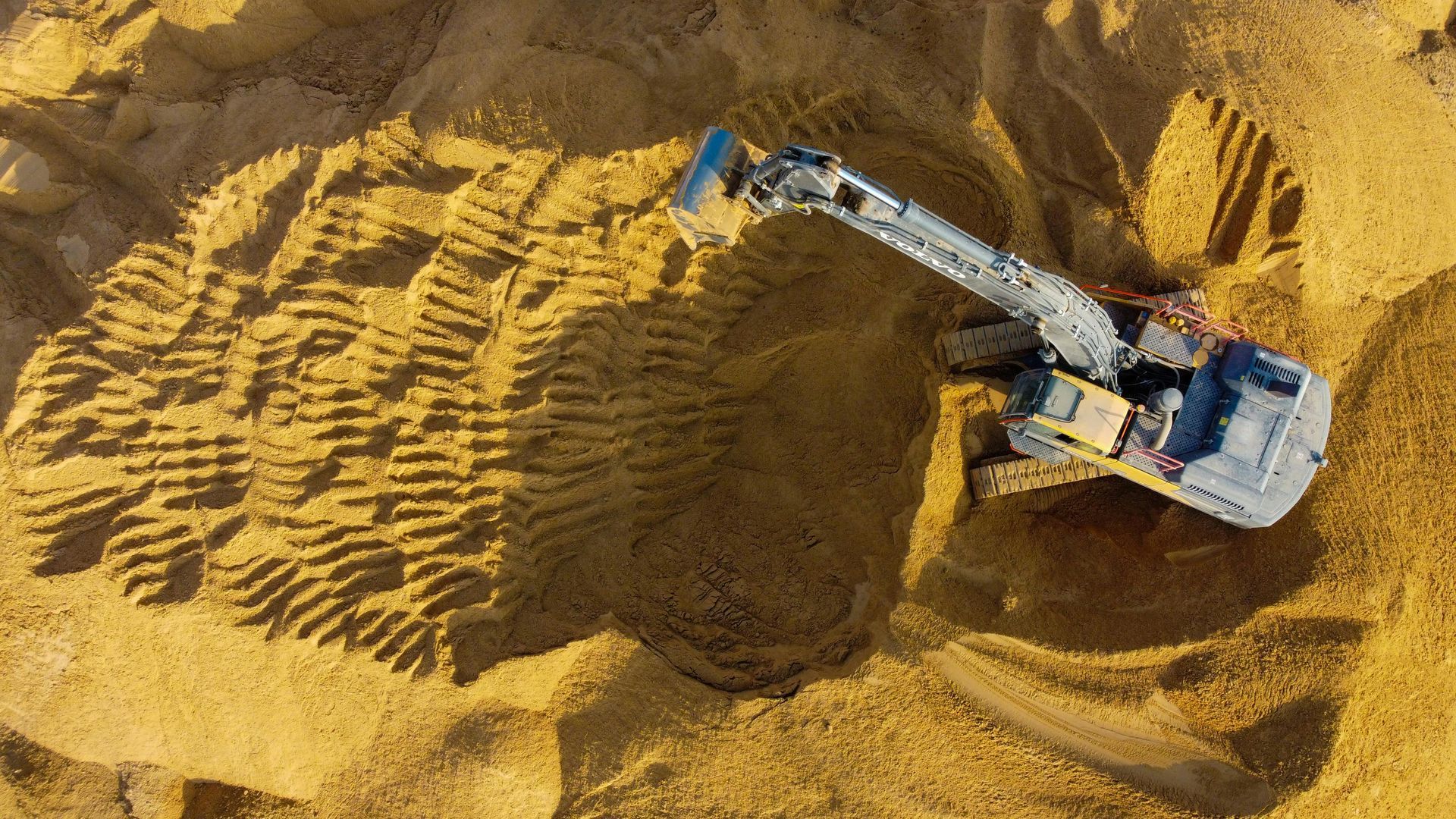
Projects often benefit when drainage works are coordinated with supporting services such as bulk and detailed excavation so the site can be managed more efficiently from one stage to the next. The same applies where trench preparation, installation, backfilling, and compaction all need to be delivered in sequence.
It is also helpful to think about how the drainage works affect the rest of the site. Access routes, material storage, staging areas, and safe work zones all influence how smoothly the installation will run once it begins.
4. Considering compliance and guidance
Drainage works should always be planned with the relevant project requirements, engineering details, and local compliance obligations in mind. While the exact standards and approvals vary by job, early attention to these matters can reduce rework and improve coordination during delivery.
For broader guidance on site safety and managing risks during construction activities, Safe Work Australia provides practical information that can support site planning and hazard awareness. Their resources on construction work can be useful when reviewing pre-start considerations and safe delivery requirements. See Safe Work Australia construction guidance for more information.
Where drainage works form part of larger developments or infrastructure programs, engineering documentation and project-specific requirements should guide how the works are carried out. Taking time to review this information early helps reduce issues once construction is underway.
5. Thinking beyond installation
A well-planned drainage job is not just about getting pipes into the ground. It is also about what happens next. Backfilling, compaction, reinstatement, and the readiness of the site for the next trade or construction stage all need to be considered as part of the overall delivery.
This is where a contractor with broader civil construction capability can add value. When drainage installation sits within a service offering that also includes trenching, excavation, site preparation, and earthmoving, there is often less disruption between stages and a more practical handover from one part of the job to the next.
If your project requires coordinated support across multiple stages, it can help to contact our team early and talk through the scope before works begin. That early conversation can make planning more straightforward and help identify what services need to be aligned from the start.
Contact the drainage professionals at Coreline Civil
Stormwater and sewer drainage installation works best when the planning is practical, clear, and tied to the real conditions on site. Understanding access, confirming the scope, coordinating excavation and trenching, and thinking through what happens after installation all contribute to smoother project delivery.
For clients managing civil construction works, taking the time to plan properly before the first machine arrives can help reduce delays and improve outcomes across the broader project. To learn more about our drainage installation services or discuss the civil works needed around your project, get in touch with our team. You can also contact us here to talk through your scope and next steps.