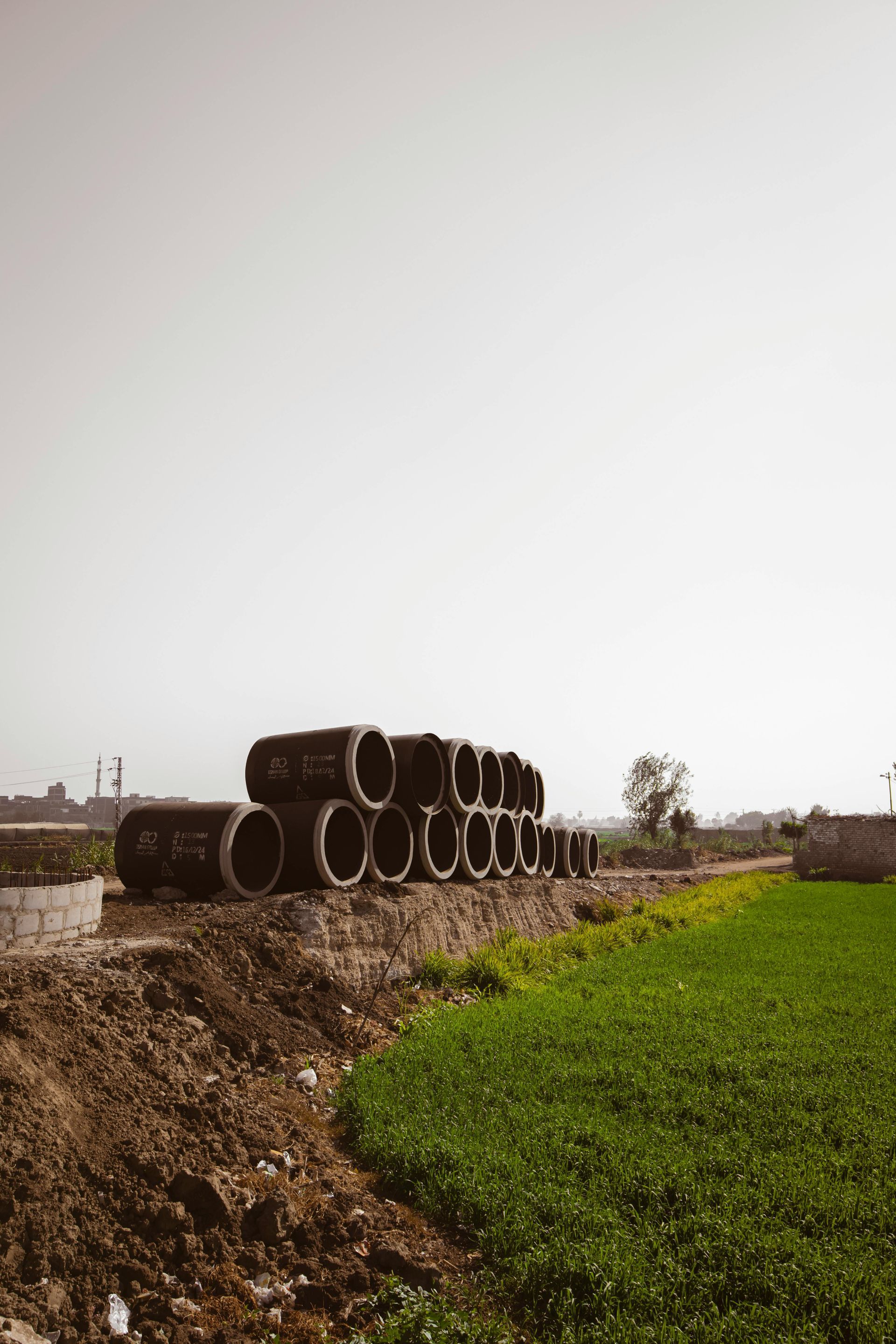
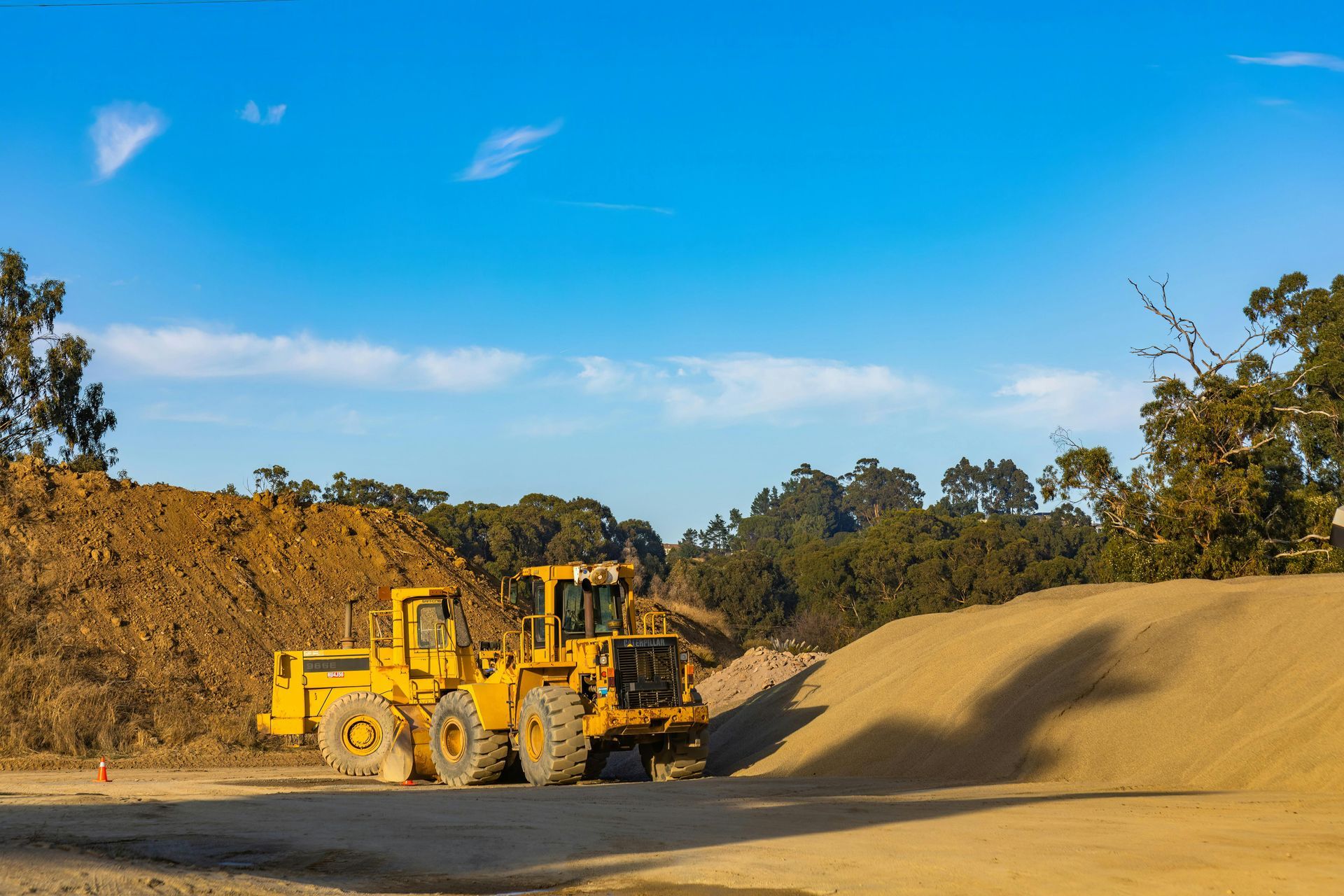
What to look for in a civil construction contractor for drainage and earthmoving works
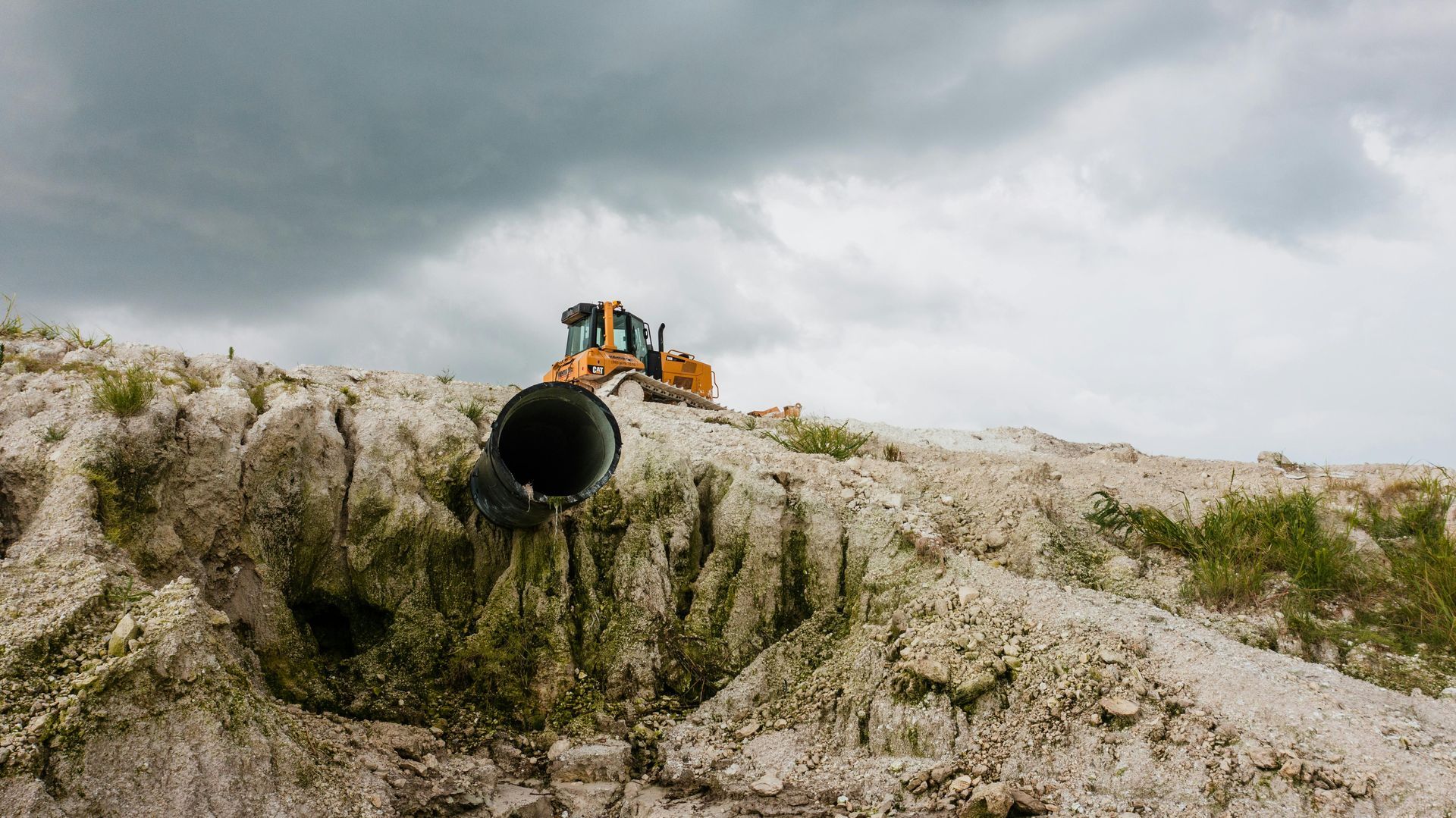
Choosing the right civil construction contractor can have a major impact on how smoothly drainage and earthmoving works are delivered. These types of projects often involve excavation, trenching, service installation, site preparation, and follow-on reinstatement, so the contractor needs to do more than simply provide machinery. They need to understand how the works fit together and how to keep the site moving from one stage to the next.
For clients, builders, and project teams, the challenge is often knowing what to assess before committing to a contractor. It is easy to focus only on price or equipment, but the quality of planning, communication, and coordination can make just as much difference to the final result.
In this article, we look at what to consider when choosing a civil construction contractor for drainage and earthmoving works, and why a practical, well-coordinated approach matters throughout the project.
1. Look for a contractor who understands connected civil works
Drainage and earthmoving rarely happen as isolated activities. In many projects, they connect directly to trenching, excavation, backfilling, compaction, and site preparation. A contractor who understands these connected stages is often better placed to deliver work that supports the broader project rather than treating each activity as a separate task.
This matters because the quality of one stage can affect the next. Poor sequencing, weak coordination, or unclear scope can quickly create delays once the project is underway. Contractors who can support services such as stormwater and sewer drainage installation as well as excavation and preparation works can often provide a more practical workflow on site.
When reviewing a contractor, it is worth considering whether they can help with the full civil package or whether the project will need multiple separate handovers between different providers.
2. Practical planning matters just as much as equipment
Equipment matters, but machinery alone does not guarantee a well-run project. The contractor also needs to understand site access, sequencing, spoil management, safety considerations, and how the work will interact with the broader construction program.
That is especially important for projects that involve excavation, trenching, or staged service installation. A contractor who plans the work practically is more likely to identify issues early and reduce unnecessary delays once the job begins. This is one reason clients often look for teams with experience in both site preparation and earthmoving and the services that follow on from those works.
As part of early project planning, it is also worth reviewing underground asset information before any major excavation begins. Before You Dig Australia can help project teams access available underground asset information before works start.
3. Communication and coordination are key on active sites
Drainage and earthmoving works often happen on sites where other activities are already underway or due to begin soon. That means the contractor needs to communicate clearly, understand the site priorities, and coordinate their work in a way that supports the overall job.
Good communication helps keep everyone aligned on access, sequencing, delivery timing, and what needs to happen once one stage of work is complete. It also makes it easier to adjust when site conditions or project requirements change.
Contractors who can link excavation and drainage with related services such as bulk and detailed excavation or trenching often provide a smoother experience because they are thinking about the workflow rather than just one individual task.
4. Safety and pre-start thinking should be built into the process
Good contractors do not leave planning until the machinery arrives. They think through site conditions, access constraints, underground services, and practical delivery before the work starts. That approach can improve both safety and efficiency across the project.
For broader construction safety guidance and planning support, the resources available through Safe Work Australia can help project teams think through key site risks and construction considerations during the planning stage.
While every project is different, a contractor who takes pre-start planning seriously is often easier to work with once the project is underway.
5. Choose a contractor who can support the next stage as well
One of the most practical things to look for is whether the contractor can support the project beyond the first stage of work. Drainage and earthmoving often feed directly into trenching, compaction, reinstatement, site preparation, or other connected civil activities. If the same contractor can support those linked stages, the project may be easier to coordinate and manage.
This does not mean every project needs one contractor for everything, but it does mean there is real value in working with a team that understands the sequence of works and can help plan the next steps. That kind of support is often what separates a contractor who simply completes a task from one who helps keep the broader project moving.
If you are reviewing options for drainage, excavation, trenching, or related civil works, it can help to contact our team and talk through the site conditions, scope, and the stages that need to be aligned from the start.
Speak to the Coreline Civil team about your project today
When choosing a civil construction contractor for drainage and earthmoving works, it helps to look beyond machinery and pricing alone. Practical planning, clear communication, connected service capability, and a good understanding of how the works fit into the wider project are all important factors.
To learn more about our drainage and earthmoving services or to discuss the right approach for your project, get in touch with our team and we can help you plan the next steps.