What happens after excavation: Backfilling and compaction explained
Excavation is often one of the most visible stages of a civil construction project, but what happens after the ground is opened can be just as important. Once installation, trenching, or excavation works are complete, the project usually moves into backfilling and compaction. These steps help prepare the site for what comes next and play an important role in the overall performance of the finished work.
When backfilling and compaction are not planned properly, projects can run into avoidable problems such as delays, repeated work, or ground that is not ready for the next construction stage. When they are handled well, the site is easier to hand over to the next trade or phase of work.
In this article, we explain what backfilling and compaction involve, why they matter after excavation, and how they fit into the broader civil construction workflow.
1. Backfilling and compaction are part of the full excavation process
Excavation does not stop once material has been removed or a trench has been formed. In many cases, the project still needs to move through installation, reinstatement, backfilling, and compaction before the ground is ready for the next stage of work. That is why excavation should be viewed as part of a connected process rather than a stand-alone activity.
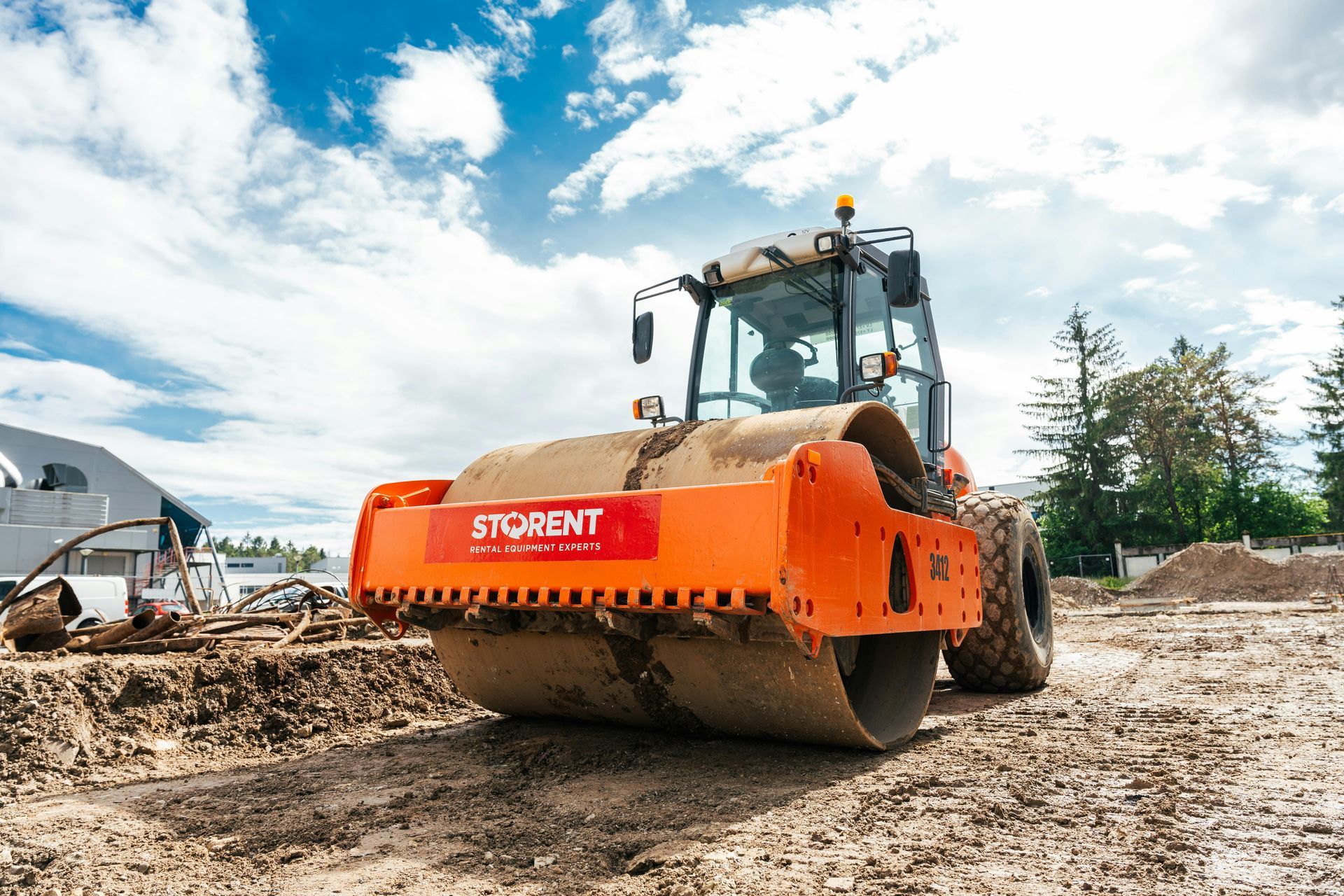
Backfilling involves returning suitable material to the excavated area in a practical and controlled way. Compaction then helps consolidate that material so the finished ground is better prepared for whatever follows. These steps often connect directly to services such as bulk and detailed excavation , drainage installation, and trenching.
When these stages are planned together, the handover from excavation to reinstatement is usually smoother and easier to manage across the site.
2. Why this stage matters after drainage and trenching works
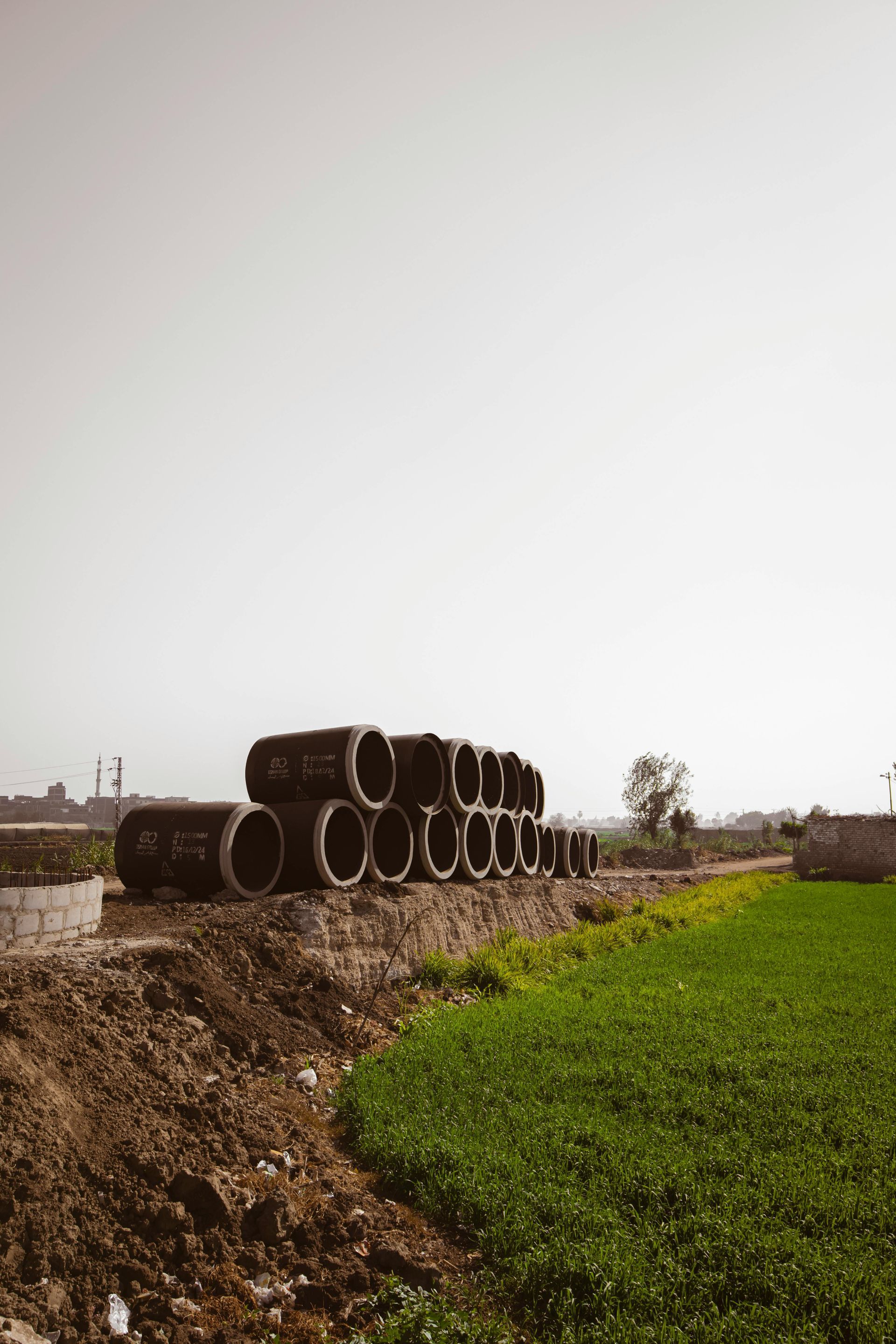
Backfilling and compaction are especially important where excavation has been carried out for services such as drainage, utility trenching, or related civil works. Once the service has been installed, the trench or excavated area still needs to be finished properly so the project can progress.
This means the backfilling and compaction stage often needs to be coordinated with stormwater and sewer drainage installation or other service works to make sure the sequence remains practical. If the process is not aligned, crews may need to revisit the area, excavation may need to be reopened, or the next stage of work may be delayed.
Good planning at this point helps reduce disruption and keeps the broader construction program moving in the right direction.
3. Compaction helps prepare the site for what comes next
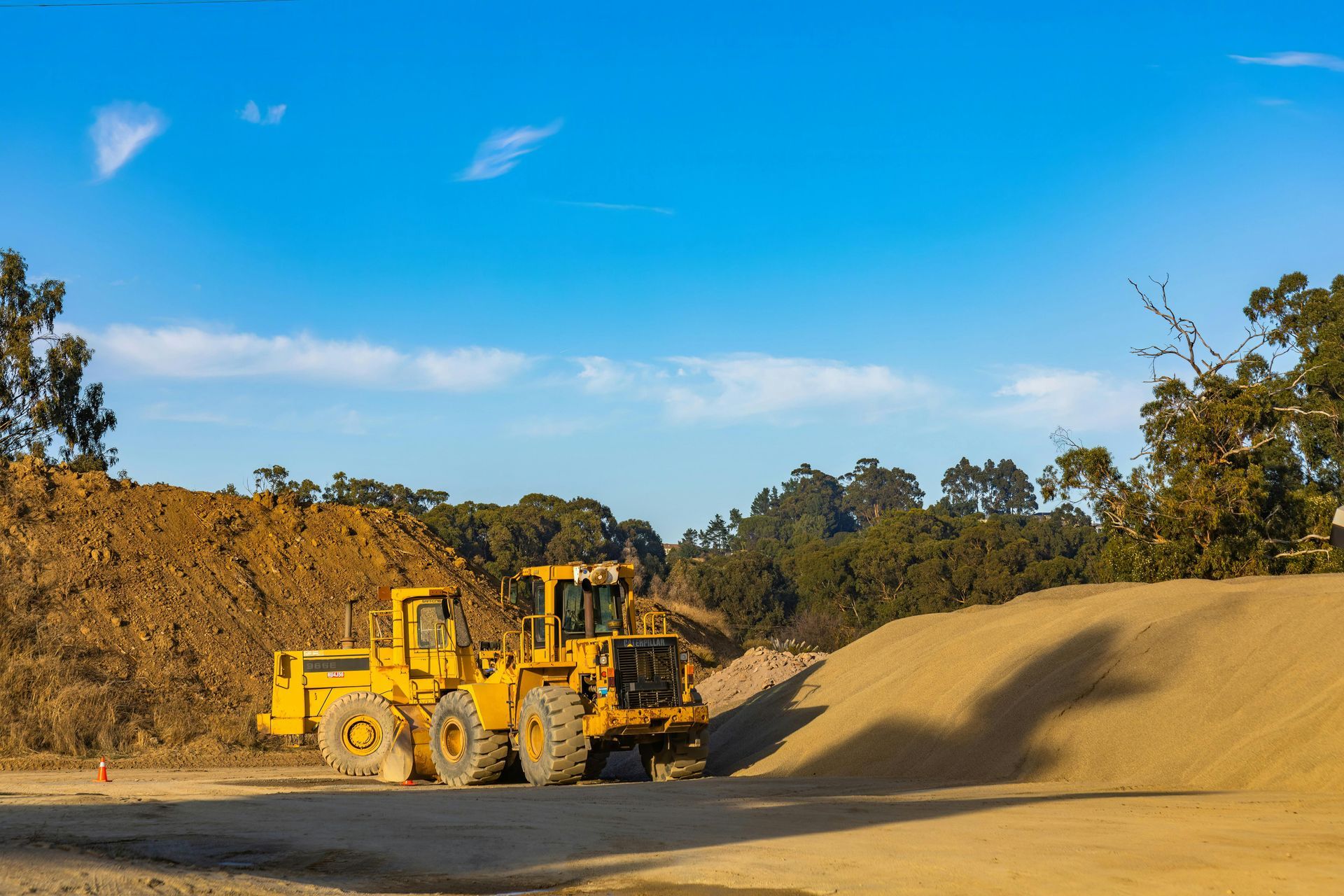
One of the key reasons compaction matters is that it helps prepare the ground for follow-on civil works. Depending on the project, that may include access preparation, surface reinstatement, additional construction activity, or readiness for another trade to move into the area.
Because of that, compaction should be viewed as more than a finishing step. It is part of making the site workable again after excavation. When the ground is not ready, the project can lose time while areas are revisited or adjusted to suit the next stage.
For projects involving multiple connected stages, this is one reason many clients prefer contractors who can support the full sequence from excavation through to backfilling and compaction rather than splitting each stage across different teams.
4. Good planning improves efficiency and reduces rework
Like other civil construction activities, backfilling and compaction benefit from clear planning before the work starts. Material handling, site access, trench sequencing, and coordination with related services all affect how efficiently the work can be delivered once the excavation stage is complete.
Where the site has existing underground services, it is also worth checking available asset information during the planning process. Before You Dig Australia can assist project teams by providing access to underground asset information before further ground disturbance takes place.
For broader site safety and construction planning considerations, the guidance available through Safe Work Australia can also support pre-start thinking around the safe and practical delivery of earthworks and reinstatement activities.
5. Why early discussion helps define the right scope
Backfilling and compaction can look straightforward, but the correct approach often depends on the wider project scope. The requirements may be shaped by the excavation method, the type of service installed, the site conditions, and what needs to happen once the area is reinstated.
That is why it helps to talk through the scope early, especially where multiple civil construction stages need to be aligned. Planning backfilling and compaction as part of the overall sequence can make the work easier to deliver and reduce unnecessary interruptions on site.
If your project involves excavation, trenching, drainage, or follow-on reinstatement works, it can help to contact our team before work begins and discuss the site conditions, scope, and next steps in practical terms.
Contact Coreline Civil for professional backfilling services
Backfilling and compaction are important parts of what happens after excavation because they help prepare the site for the next stage of work and support smoother project delivery overall. When these steps are planned in line with excavation, drainage, and trenching, projects are usually easier to coordinate and complete efficiently.
To learn more about our backfilling and compaction services or to discuss the right approach for your project, get in touch with our team and we can help you plan the next steps.