Why utility trenching needs careful planning on civil construction projects
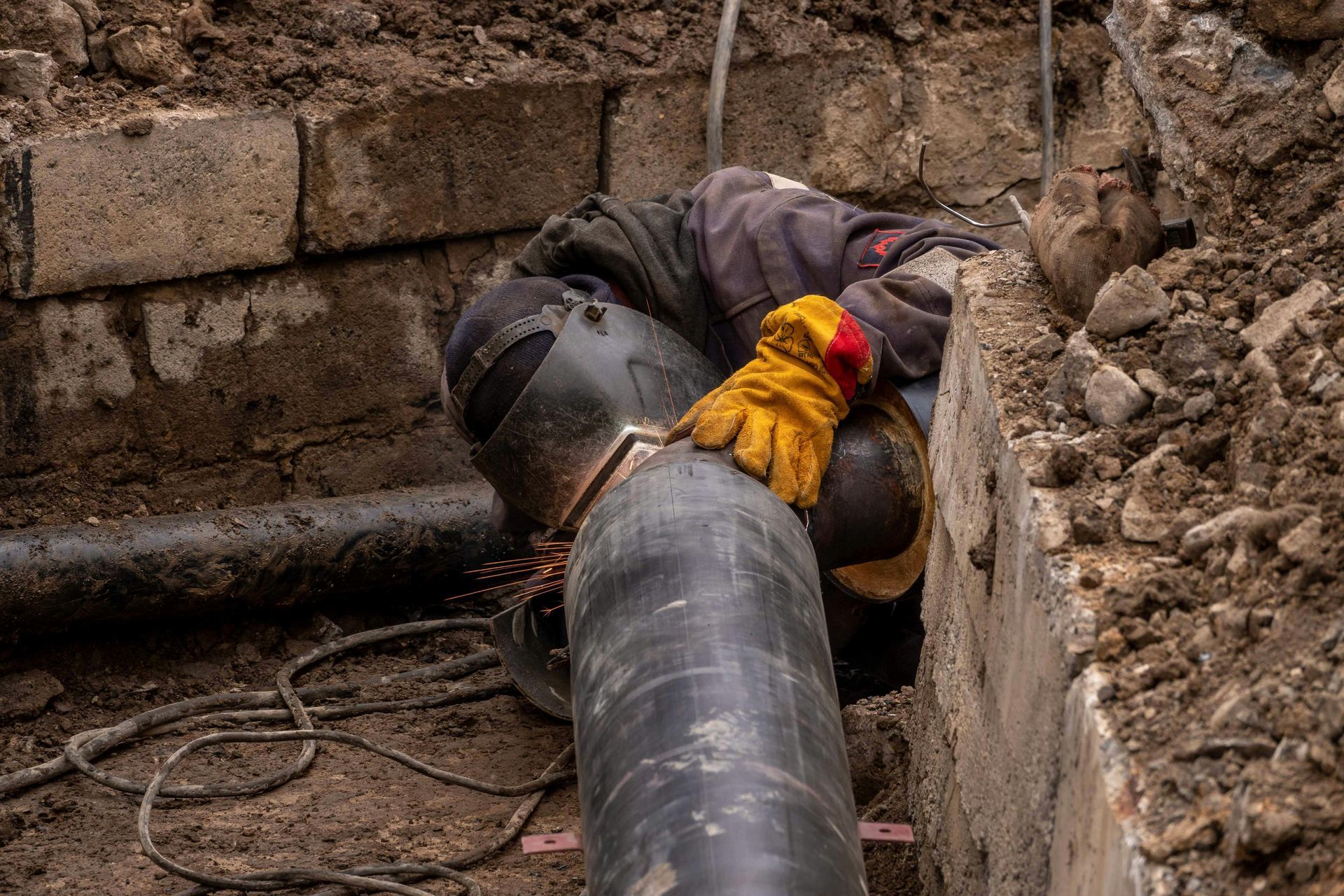
Utility trenching is one of the civil construction activities where good planning can make a major difference to the way a project runs. While trenching can look straightforward from the outside, the work often sits at the intersection of excavation, service installation, site access, and follow-on reinstatement. If it is not planned carefully, delays and rework can quickly affect the broader construction program.
For projects involving drainage, utilities, or service corridors, trenching needs to be approached with a clear understanding of the site, the scope of works, and how the trenching will connect to the stages that follow. That might include pipe installation, backfilling, compaction, or related earthworks.
In this article, we look at why utility trenching needs careful planning, what should be considered before work begins, and how practical coordination can support smoother delivery on site.
1. Utility trenching depends on more than just excavation
Trenching is not simply a matter of digging to a required depth and moving on. The work needs to account for trench location, width, depth, access, spoil management, and the services or infrastructure that will be installed within it. Small issues at the planning stage can create bigger problems once work is underway.
This is one reason trenching often works best when it is coordinated with related services rather than treated as an isolated task. Projects may need trenching to align with pipeline installation and utility trenching , drainage works, excavation, or site preparation so the overall job can progress efficiently and safely.
Where underground services may already be present, it is also important to review available asset information before work begins. In Australia, Before You Dig Australia is a useful starting point for identifying underground asset information that may affect the trenching scope.
2. Site access and trench sequencing matter
Access has a direct impact on how efficiently trenching can be delivered. Machinery movement, spoil placement, material handling, and the ability to work safely around other parts of the site all need to be considered before the first machine arrives. If the trenching area is difficult to access or poorly sequenced, the project can lose time quickly.
Careful trench planning helps determine how the work should move across the site, how staging areas should be used, and how other trades or project activities may be affected. This is especially important on active construction sites where multiple tasks may be happening within a limited working area.
Projects often benefit when trenching is coordinated with bulk and detailed excavation or site preparation activities so the ground conditions, access routes, and work sequence all support the same outcome.
3. Trenching affects the work that comes next
Good trench planning is not only about getting the trench in the ground. It also needs to consider what happens after that. Installation, backfilling, compaction, reinstatement, and readiness for the next stage of construction all depend on the trenching works being delivered in a practical sequence.
This is particularly relevant where trenching links directly to drainage installation or other service works. If those connected stages are not considered early, the project can end up with repeated excavation, unnecessary movement on site, or delays while crews wait for one stage to catch up with another.
That is why trenching often works more effectively when it is planned alongside connected services such as stormwater and sewer drainage installation and backfilling or compaction, rather than as a stand-alone task.
4. Safe delivery starts before the trench is opened
Construction safety is not something that begins once excavation starts. It starts during planning. Reviewing site conditions, access constraints, service information, and the practical setup of the work area helps reduce risk and improve delivery before the trench is even opened.
For broader guidance on construction safety and hazard awareness, the resources available through Safe Work Australia can help project teams think through site risks and planning requirements before works begin.
Where trenching forms part of a wider civil construction package, that early planning becomes even more important because the work has to support both safe delivery and the efficiency of the broader project sequence.
5. Why early discussion can improve the trenching scope
Utility trenching is easier to deliver when the scope is defined clearly from the beginning. That includes understanding where the trenching fits in the project, what services are involved, how the site will be accessed, and what works need to happen afterwards. Without that clarity, trenching can become a bottleneck for the project rather than a step forward.
For clients, builders, and project teams, an early discussion can help identify whether trenching needs to be coordinated with drainage works, excavation, compaction, or broader site preparation. It can also help make the project scope clearer before labour and machinery are committed.
If your project involves trenching, drainage, or early civil works, it can help to contact our team before work starts and talk through the site conditions, scope, and sequencing requirements in practical terms.
Speak to Coreline Civil about your trenching needs
Utility trenching needs careful planning because it affects much more than the excavation itself. Access, sequencing, service coordination, safety, and the readiness of the site for what follows all depend on the trenching scope being thought through properly before work begins.
When trenching is planned in line with the broader civil construction program, projects are usually easier to coordinate and deliver. To learn more about our pipeline installation and utility trenching services or to discuss the right approach for your project, get in touch with our team and we can help you plan the next steps.